あること
ないこと
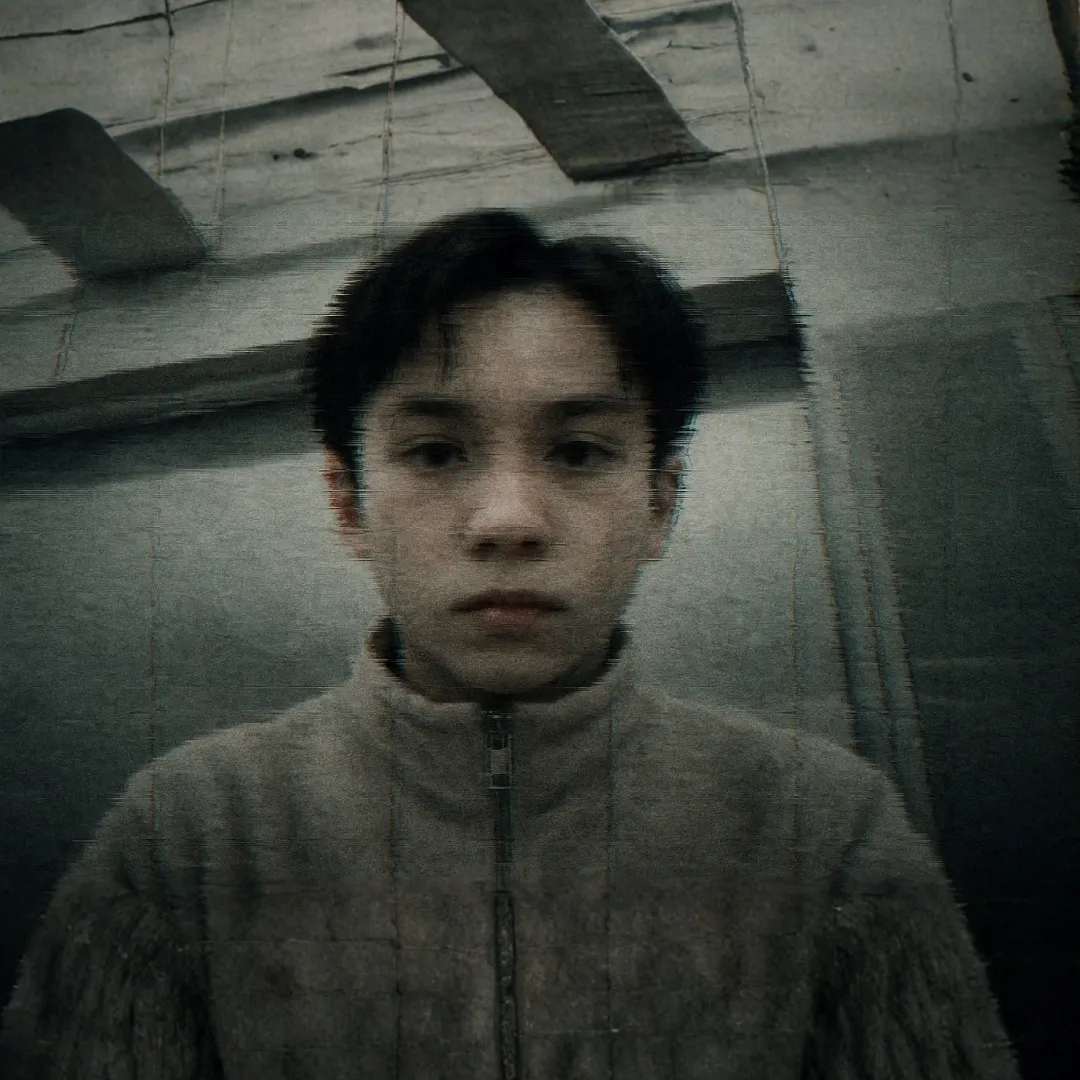
Boundaries of "You”
How far does one perceive something as "self," and where does "not-self" begin? In cognitive science, the concept of "mirror self-recognition" is the ability to recognize one's reflection in the mirror as oneself, which is possessed by only a small number of species, including humans beings. But is the "you" in the mirror truly you? Where exactly does your "self" end, and "not-self" begin? Does a boundary between you and others really exist? If it does, where is it? Through this work, we invite you to discover your own definition of yourself.
In this work, the “you” on the monitor gradually transforms into something “not-you.” Where does "you" end, and where does "not-you" begin? As you experience the work, that boundary keeps shifting. Where exactly does your "self" end, and "not-self" begin? Does a boundary between you and others really exist? If it does, where is it? Through this work, we invite you to discover your own definition of yourself.