あること
ないこと
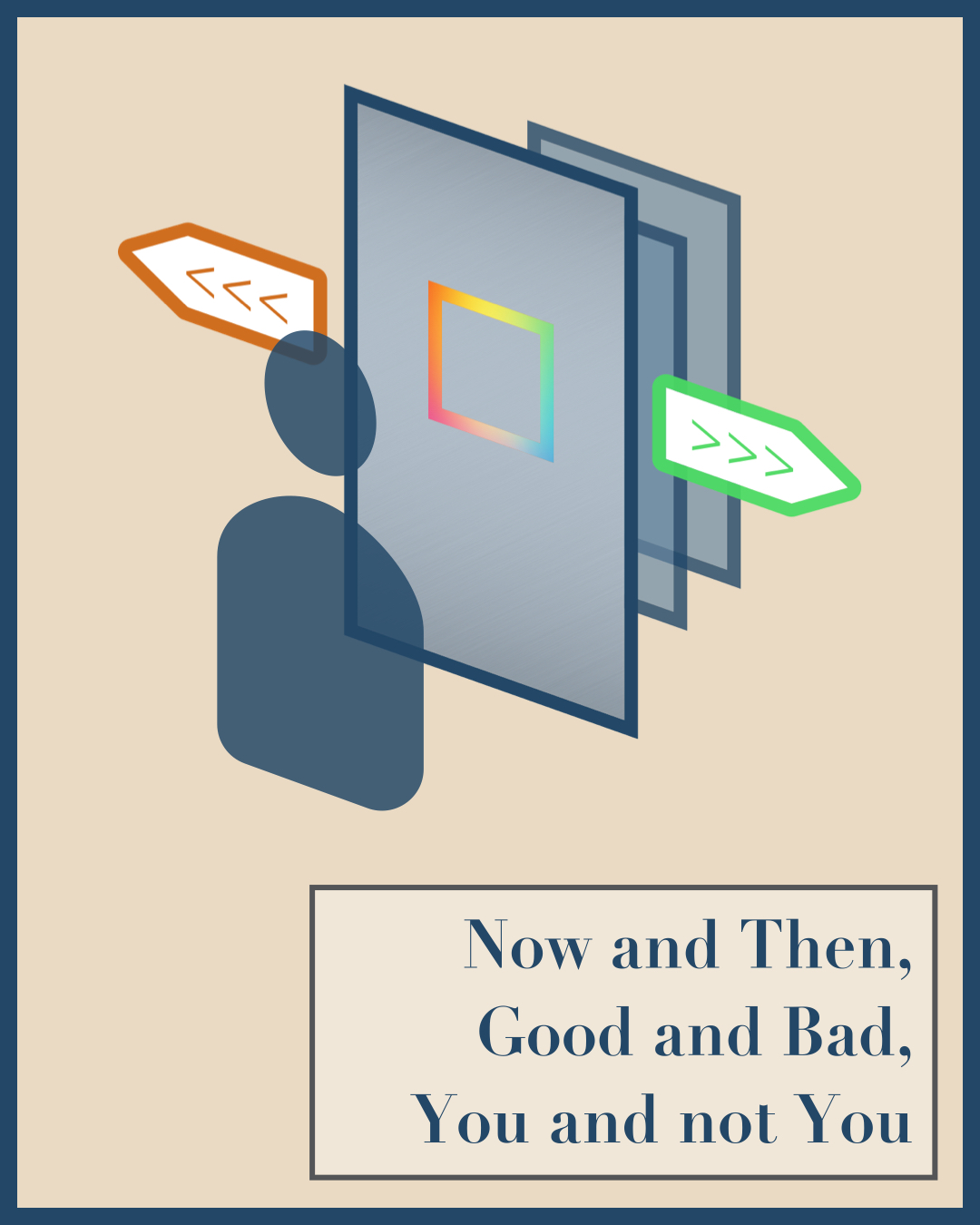
Now and Then, Good and Bad, You and not You
Through a novel classification, this exhibition invites you to experience another form of “discrimination”, which has existed in various forms throughout human history—without any preconceptions. This work encourages you to reinterpret these acts, revealing their absurdity and meaninglessness through one’s own experience for example. Furthermore, it also asks us to reflect on ourselves: does such discrimination still exist implicitly in this society, and are we just unconscious about it? The modern technology, including what this exhibition features, may accelerate discrimination through statistical bias, and we may justify it in the name of science.
As visitors step into the exhibition, they are instructed to be photographed. Then, a machine learning model “diagnoses” the picture of their face, assessing them as "‘good"’ or “bad.” Based on the result, they proceed through a separate entrance modeled after historical forms of discrimination. The exhibition features contemporary methods with historical motifs, in the context of “Something ▢ Nothing.”. These concepts, along with some written explanation of their diagnosis, urge visitors to reconsider the whole experience.