あること
ないこと
The Fugue You Might Have Composed
The fugue, a classical and intricate musical form, and techno music, a modern genre centered on electronic instruments—at first glance, they seem worlds apart. Yet we deem a commonality between them: both construct large-scale compositions through the repetition and reuse of just a few simple melodic patterns. This work utilizes the metaphor of techno music to make the complex, knowledge-intensive world of the fugue more accessible while also aiming to encourage musical learning and creativity.
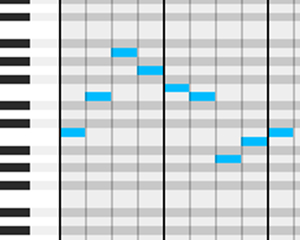
Try composing a melody using the keyboard in front of you. You can also adjust note length and timbre using the on-screen buttons. Even if you are not confident about composing an entire piece, don't hesitate to enter your melody.—The algorithm—based on the compositional rules of counterpoint—will compose and play a fugue using your melody. Through the repetition and imitation unique to fugues, you can enjoy your own melody unfolding and expanding.